
Giving disengaged students another chance with Inventorium Academy

Inventorium provides online, one-to-one education for secondary students who have disengaged from mainstream school, with 95% achieving the outcomes they set for themselves.
A $1.245m Sefa loan is funding the set-up and working capital for Inventorium Academy, a new special assistance school in Adelaide, helping to bridge the gap before recurrent government funding arrives.
Inventorium has grown from 10 students in 2019 to more than 300 today, with the Academy set to welcome 60 students by July 2026.

Designed for the kids who don't fit the mould
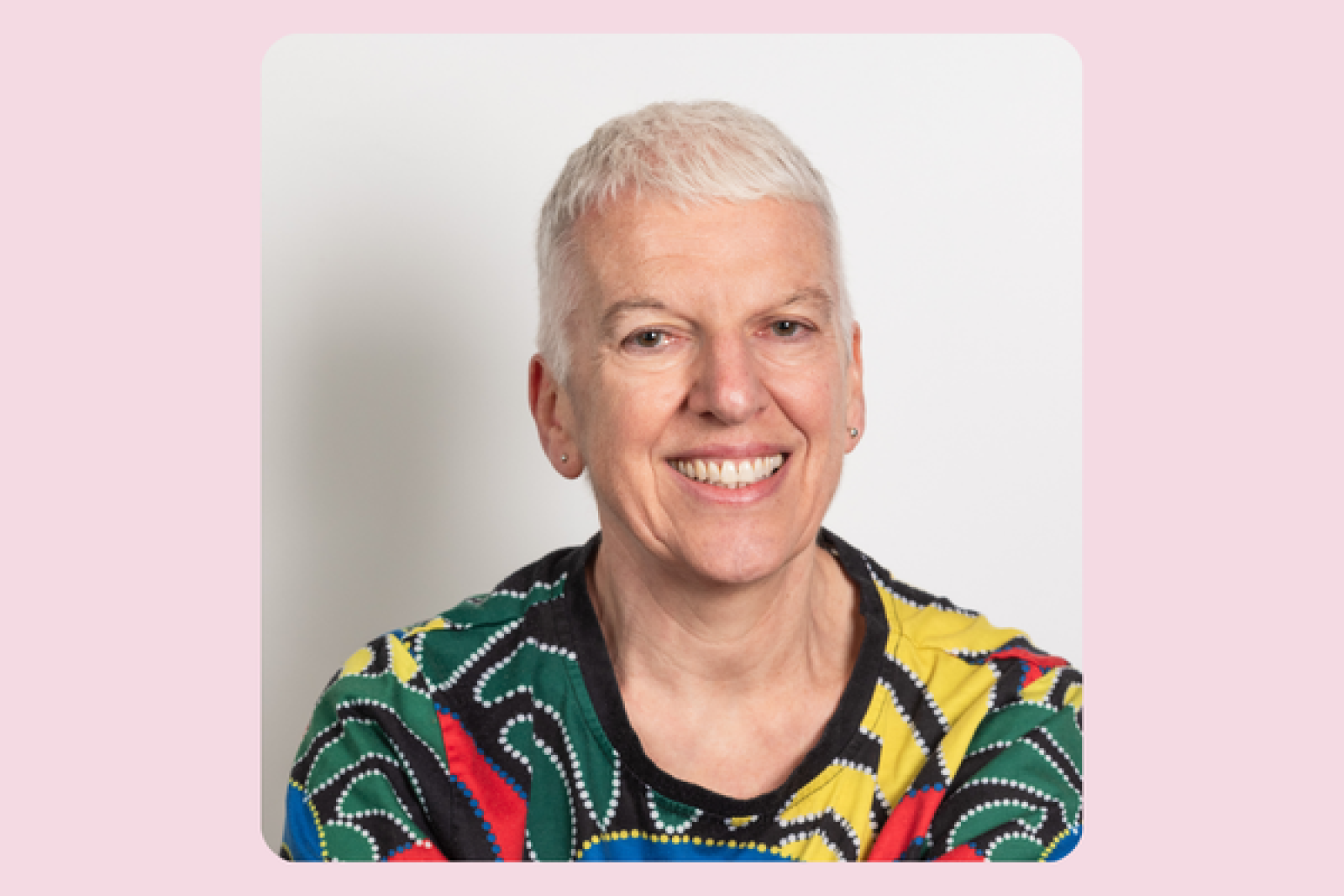
Back in 2015, Inventorium founder and CEO Eddie Blass read that between 20 and 40% of students who start Year 8 never finish Year 12. “I thought, that is a horrendous dropout rate,” she says.
“So I started to look into why kids disengage from school. And then I was thinking ‘why is nobody doing anything about that’?” She decided to be the one that did do something about it; and what began as that initial research project grew into Inventorium.
Inventorium is an online, one-to-one education platform for students in Years 7 to 12 who, for whatever reason, haven't been able to thrive in mainstream schooling. Around 75 to 80% of Inventorium's students have some form of diagnosis involving neurodiversity, anxiety or depression, though the reasons for disengagement are as varied as the students themselves.
Eddie identifies three systemic design flaws in mainstream education that lead students to check out. The first is that high school strips away the consistent relationship with a single teacher. The second is pace; most classrooms teach to an average, leaving students either bored or left behind. And the third is relevance. Students simply aren't interested in what they're being taught, and nobody's asked them what would interest them enough to have them keep turning up.
Inventorium's response to all three is the same. Every student gets one teacher who covers all subjects, moves at their pace, and shapes the curriculum around their interests. One student who was deep into Dungeons and Dragons did his English coursework through the Dune trilogy and wrote his major SACE project on what makes a good role-playing game, presenting his analysis directly to a gaming company. He got all his compulsories done, and his parents were delighted.
Another student came to Inventorium carrying a lot of frustration that was showing up as aggression at home. Over three years of weekly sessions – with a teacher consistently showing up, asking questions, having real conversations - he lost that aggressive demeanour. His mum wrote to the team to say how much nicer things had become at home, and he went on to pursue a VET pathway.
“I wouldn't say we're a last chance,” Eddie says, “but we're another chance for them to be able to finish their schooling without having to subject themselves to the mainstream environment.”
When one hour a week isn't enough
Inventorium has always operated as a partnership model, supporting students who are still enrolled at other schools. For most of them, around 75%, one hour a week is genuinely enough. But for the rest, they need small group work, social skill-building and more consistent contact. That's what Inventorium Academy is for. It's a special assistance school in the centre of Adelaide, offering face-to-face learning alongside their existing online model.
Getting a school off the ground before government funding arrives is, by Eddie's account, financially brutal. “You have to have it all set up and approved and running before you get any money back from the government,” she explains.
To bridge that gap, Inventorium turned to Sefa for an impact loan to cover the premises and operational costs of those first years while the funding catches up. And it has truly made all the difference.
“Without the loan, we wouldn't have the school, we just wouldn't have premises,” Eddie says plainly.
Eight students are currently enrolled at the Academy with the aim is to reach 60 by July.
A funder that cared about the vision, not just the numbers
Eddie looked widely for funding before landing on Sefa; private investment, other impact investors, and even at the prospect of remortgaging her house. But what drew her to Sefa wasn't just the money.
“From day one, Sefa have been really keen on the vision of what we're trying to do, as much as the business model,” she says. With other potential funders, she felt she was spending her energy trying to convince them the idea was worth backing at all, which wasn't an encouraging sign.
The process with Sefa was more involved than dealing with a bank, including budget analysis, impact modelling, and scenario planning but Eddie found the team made it manageable and worthwhile. “Sefa were very helpful in really being clear about what they wanted. It's been very good discipline for us to look at it all - nothing that we've done with Sefa has been of little value.”
"It's been valuable to look at the issues, the questions, the risks to make sure we're really confident we've got a very, very solid business model."
The difference, she says, is the spirit in which the questions get asked. “With a bank, it's almost like you put together a best case to try and please them to get the funding. Whereas with Sefa, they're encouraging you to put together a business case that shows your organisation is actually sustainable, and so failure is less likely.”
Building the case for a better way to learn
Eddie's longer-term ambition is to shift the conversation around alternative education more broadly. “Alternate education has the label as being ‘not as good’ as mainstream education or a model of deficit,” she says. “We're trying to make it clear that it's more of a model of choice”. Eddie is currently working on peer-reviewed research to help build this evidence base, with journal articles in the works.
In the meantime, Inventorium Academy is nearly ready to open its doors and with it, a physical space for the students who need a little more support, a place to belong, and an approach to learning that really works for them.
“Our kids could do better at university than mainstream school kids because they learn how to learn with us.” The Sefa loan means that for those students, there's now a place to do exactly that.
Do more good with Sefa
Whether you are strengthening your impact foundations or planning to scale, we offer finance and advice to help you grow with clarity, confidence and care.